No single racking system is right for every operation. Each type makes different trade-offs between storage density, selectivity (access to individual pallets), and throughput speed.
The most widely deployed racking system in the world. Each pallet position is directly accessible from the aisle — no other pallets need to be moved to retrieve a specific SKU. This makes selective racking the natural choice for operations with high SKU variety, FIFO (first-in-first-out) stock rotation requirements, or frequent order picking.
Best for: Distribution centers, 3PL operators, retail backrooms, e-commerce fulfillment.
Storage density: Moderate (typically 35–45% floor area utilization).
Selectivity: 100% — every pallet directly accessible.
An extension of selective racking where pallets are stored two-deep on each side of the aisle, requiring a reach truck with extended reach forks. Increases storage density by approximately 30% compared to standard selective racking, but reduces selectivity — front pallets must be removed to access rear positions.
Best for: Operations with medium SKU variety and at least 2 pallets per SKU at any time.
Eliminates cross-aisles by allowing forklifts to drive into the racking structure itself. Pallets are stored on rails running the depth of the bay — up to 8–10 pallets deep. Dramatically higher storage density, but only one SKU per lane and LIFO (last-in-first-out) stock rotation only (unless drive-through configuration is used).
Best for: Cold storage, seasonal inventory, homogeneous bulk storage with low SKU count.
Storage density: Very high (70–85% floor area utilization).
A high-density system where pallets are loaded onto inclined trolleys or rails. Each new pallet loaded pushes the previous ones back. Retrieval is LIFO from the front face only. Allows up to 5 pallets deep per lane without forklift entry into the rack structure — safer and faster than drive-in.
Best for: Medium-SKU operations with high volume per SKU; cold storage; beverage distribution.
Uses inclined roller lanes — pallets are loaded from the back and roll forward under gravity to the picking face. Ideal for strict FIFO rotation. Higher cost than drive-in or push-back, but unbeatable for high-throughput perishables, pharmaceuticals, and food-grade operations.
Best for: Fresh food distribution, pharmaceutical warehouses, FMCG high-velocity SKUs.
No front uprights — arms extend horizontally from a central column. Designed for long, awkward, or irregular loads: timber, steel pipe, furniture, carpet rolls, PVC conduit. Available in light, medium, and heavy-duty versions.
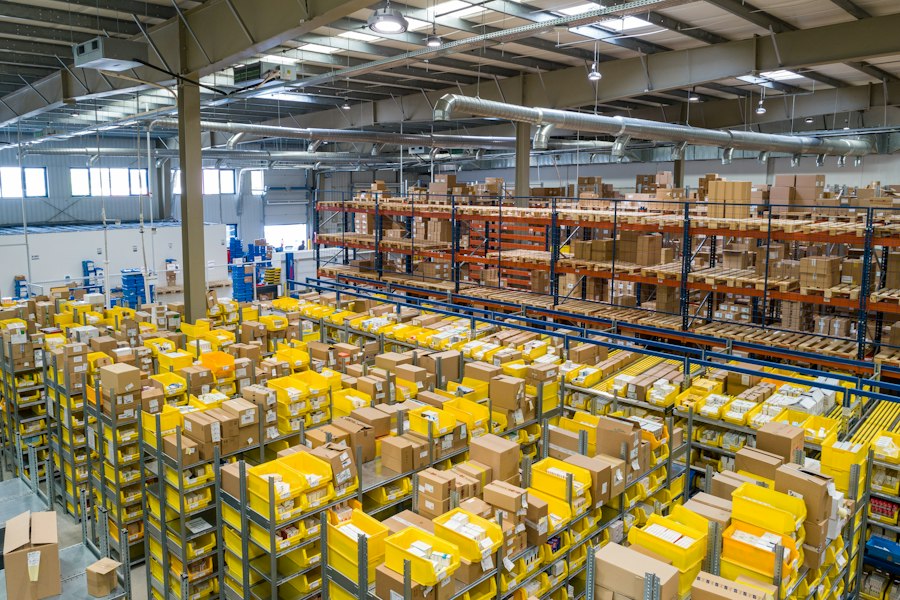
Selective pallet racking provides 100% direct pallet access — the most versatile system for mixed SKU warehouses.
| System | Density | Selectivity | Rotation | Forklift Type |
|---|---|---|---|---|
| Selective | Moderate | 100% | FIFO / LIFO | Standard counterbalance / reach |
| Double-Deep | Medium-high | 50% | LIFO | Extended reach truck |
| Drive-In | Very high | Low | LIFO | VNA or standard counterbalance |
| Push-Back | High | Medium | LIFO | Standard reach truck |
| Pallet Flow | High | Medium | FIFO | Standard counterbalance |
| Cantilever | Medium | 100% | FIFO / LIFO | Sideloader / counterbalance |
Before specifying a system, calculate your required pallet positions and target storage utilization. Use this simple framework:
Rule of thumb: A well-configured selective racking layout in a standard rectangular warehouse will achieve 35–40 pallet positions per 100 m² of floor area. Drive-in or push-back systems can push this to 55–65 positions per 100 m².
All racking systems must be specified to handle the actual loads you intend to store — with a structural safety factor typically of 1.5:1 or greater. The key load parameters to communicate to your supplier are:
| Rack Grade | Beam UDL | Bay Load | Typical Application |
|---|---|---|---|
| Light duty | Up to 800 kg | Up to 3,200 kg | E-commerce, small parts, retail backroom |
| Medium duty | 800–2,000 kg | 3,200–8,000 kg | FMCG, general distribution |
| Heavy duty | 2,000–4,000 kg | 8,000–16,000 kg | Beverage, automotive parts, building materials |
| Extra heavy duty | 4,000 kg+ | 16,000 kg+ | Steel, bulk commodities, industrial manufacturing |
VoxReal Fixture's heavy-duty selective racking is manufactured from Grade S350GD high-strength structural steel with upright frames tested to 5,000 kg bay load in standard configurations. Custom engineering certification is available for loads exceeding this range.
Racking safety is not optional. Racking collapses cause serious injuries and fatalities in warehouses worldwide every year. Compliance with the relevant standards is both a legal obligation and a basic duty of care.
Important: In most jurisdictions, warehouse racking is classified as a work equipment item under occupational health and safety legislation. This means it must be properly designed, installed, inspected, and maintained — with records kept. Failure to comply can result in prosecution and unlimited civil liability.
Key standards by region:
Regardless of location, every racking installation should include:
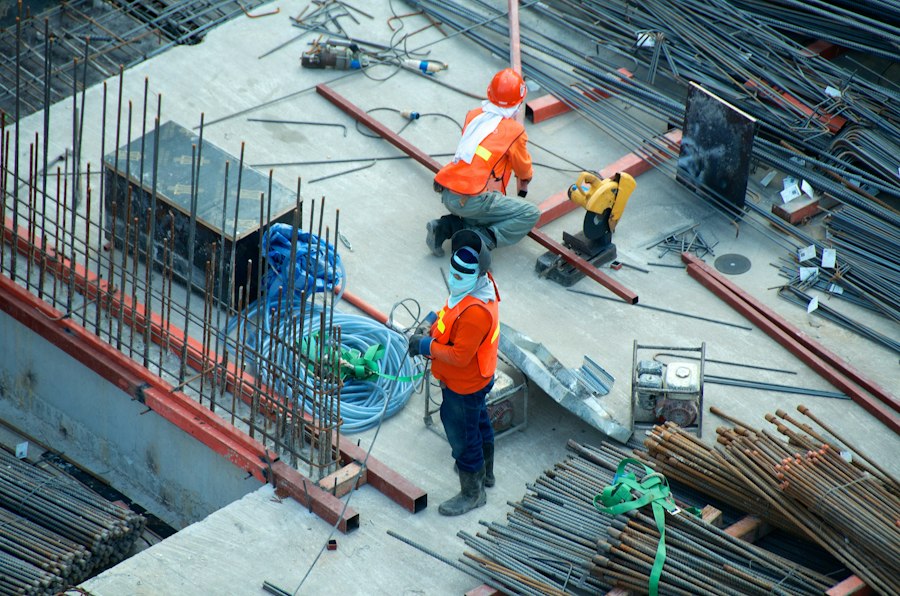
Column protectors and load plaques are mandatory safety requirements for all commercial racking installations.
If your warehouse is located in a seismic zone — much of Australia, New Zealand, Southeast Asia, Japan, and the western Americas — racking must be designed to resist horizontal seismic forces in addition to vertical loads. This affects:
VoxReal's engineering team provides seismic design certification for all major seismic zones, with site-specific calculations available for Zone 3 and Zone 4 regions.
Cold storage facilities present a separate challenge: steel becomes more brittle at temperatures below −20°C, and rack deflection behavior changes. VoxReal's cold-store racking range uses impact-grade steel with modified coating systems tested for continuous operation at temperatures down to −35°C.
For warehouses where every square meter of floor space is at a premium, VNA racking — combined with guided turret trucks or order pickers — can increase storage density by up to 40% over standard selective racking in the same building footprint.
VNA considerations include:
VoxReal Fixture supplies and installs the full spectrum of industrial racking systems for warehouses, distribution centers, cold rooms, and manufacturing facilities across Asia-Pacific and the Middle East. Our warehouse racking offering includes:
All VoxReal racking systems are supplied with full structural calculations, installation drawings, and load certification documentation. Our project delivery team manages everything from site survey through to installation sign-off and staff safety induction.
Standard off-the-shelf racking covers the vast majority of applications. However, a custom racking design may be warranted when:
VoxReal's engineering team has delivered custom racking solutions for automated dark warehouses, blast-freezer cold stores at −35°C, multi-story distribution centers, and high-bay warehouses with 20m+ clear height. Contact us with your project specifications for a custom engineering proposal.
Choosing the right warehouse racking system comes down to four variables: your SKU profile (how many unique products), your throughput volume, your available building height, and your budget for capital equipment. Get these four inputs right and the system selection becomes straightforward.
Whatever system you choose, invest in proper safety compliance from day one. Racking inspections, load plaques, column guards, and a damage reporting culture are not overhead costs — they're risk management that protects your people, your stock, and your business continuity.
Reach out to VoxReal Fixture for a no-obligation warehouse layout review, racking specification, and project quotation.